Study Finds That Reading the Retreating Tide Has Created Communities Around the Reading
The Traditional Tidal Flat Foraging Creates Intertidal Heritage Across Asian Coastal Communities
Continent Documents the Harvest That the Tide Reveals and Then Takes Back
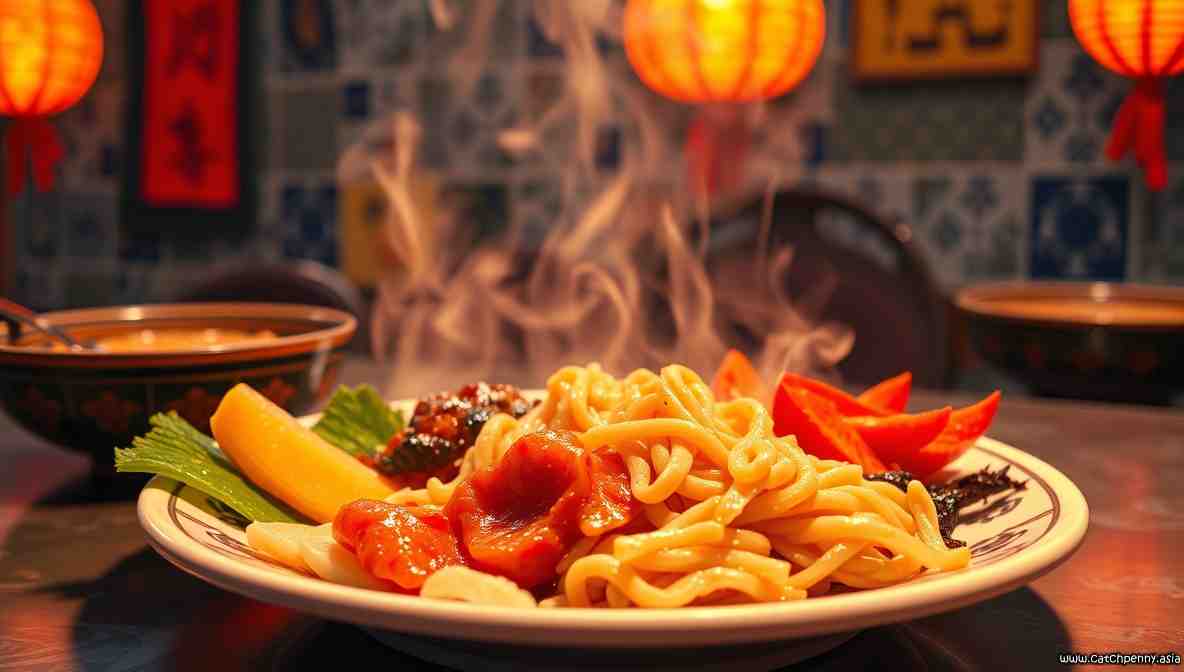
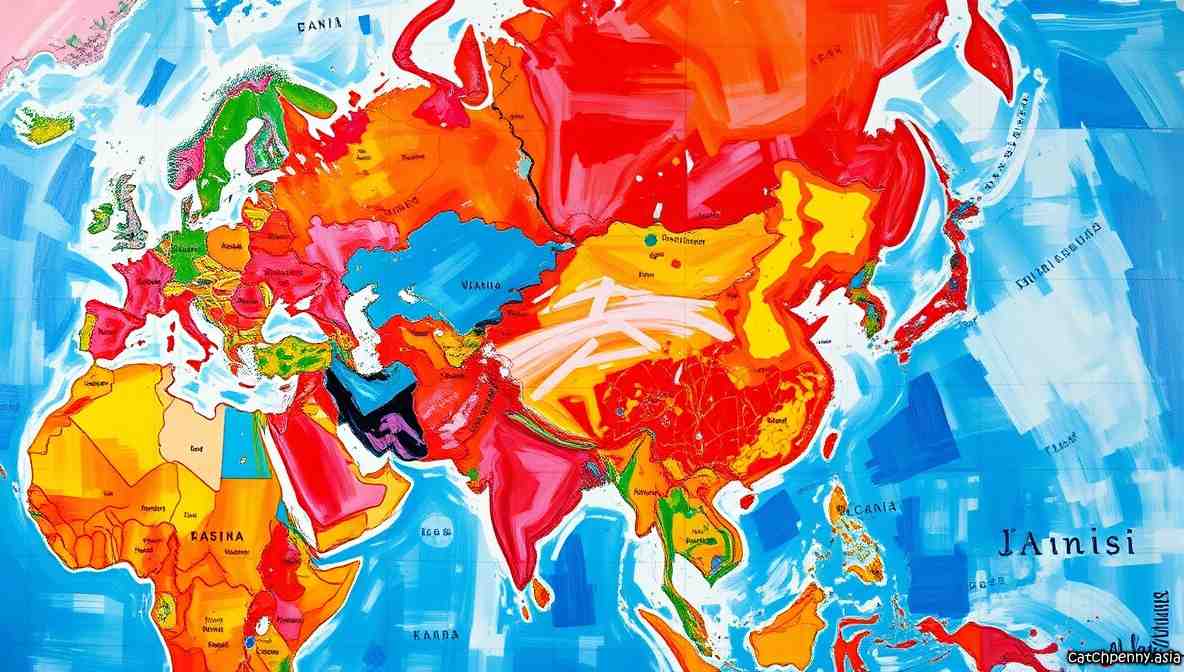
SAEMANGEUM — Coastal ecology and foraging culture researchers published findings on traditional tidal flat foraging community culture across Asian coastal communities, confirming that the practice of harvesting shellfish, seaweed, and the specific intertidal species whose exposure at low tide creates the specific harvest window that the tidal flat foraging community exploits — has maintained across South Korea, Japan, China, the Philippines, Vietnam, and Bangladesh tidal flat communities of remarkable ecological knowledge depth whose practitioners researchers found maintaining the most complete traditional intertidal ecological knowledge available, reading the specific tidal cycle, the seasonal species availability, and the specific harvest indicators whose combination creates the tidal flat community’s most consequential traditional ecological knowledge: knowing exactly when and where to go when the tide goes out.
Traditional tidal flat foraging culture creates intertidal communities of unusual time-ecology integration, with the tidal flat’s specific alternating availability — the harvest window that the low tide opens and the returning tide closes — creating foraging practices of the most strictly time-limited character available in Asian coastal food culture.
South Korea’s Getbol Heritage
South Korea’s getbol (tidal flat) foraging tradition whose specific Yellow Sea tidal flat creates foraging communities of extraordinary ecological significance, with South Korea’s specific tidal flat’s specific biodiversity creating foraging communities of unusual species diversity. Coastal ecology researchers at the World Wildlife Fund tidal flat ecology and coastal foraging research document South Korea’s Yellow Sea tidal flat as among the world’s most ecologically significant intertidal systems, with the specific biodiversity creating foraging communities of unusual species knowledge depth.
Japan’s Higata Heritage
Japan’s higata (tidal flat) foraging tradition whose specific Japanese intertidal creates foraging communities of particular seasonal character, with the Japanese tidal flat’s specific seasonal harvest creating foraging communities of unusual phenological knowledge.
China’s Coastal Mudflat
China’s coastal mudflat foraging tradition whose specific regional tidal flats create foraging communities of particular geographic diversity, with China’s specific coastal mudflat’s regional variety creating foraging communities of unusual ecological breadth.
The Philippines’ Tidal Heritage
The Philippines’ tidal flat foraging tradition whose specific archipelago intertidal creates foraging communities of particular island character, with the Philippine tidal flat’s specific island variety creating foraging communities of unusual geographic diversity.
The Universal Tide Watch
Across all six markets, researchers identified the tide watch as universal: the tidal flat foraging community’s most essential daily practice — the specific monitoring of the tidal cycle whose timing determines the harvest window’s specific opening and closing, creating the foraging community’s most time-critical ecological knowledge whose accuracy the harvest success directly reflects and whose failure the missed tide window makes immediately apparent. Documented through the American Psychological Association tidal timing, ecological knowledge, and coastal foraging expertise research.