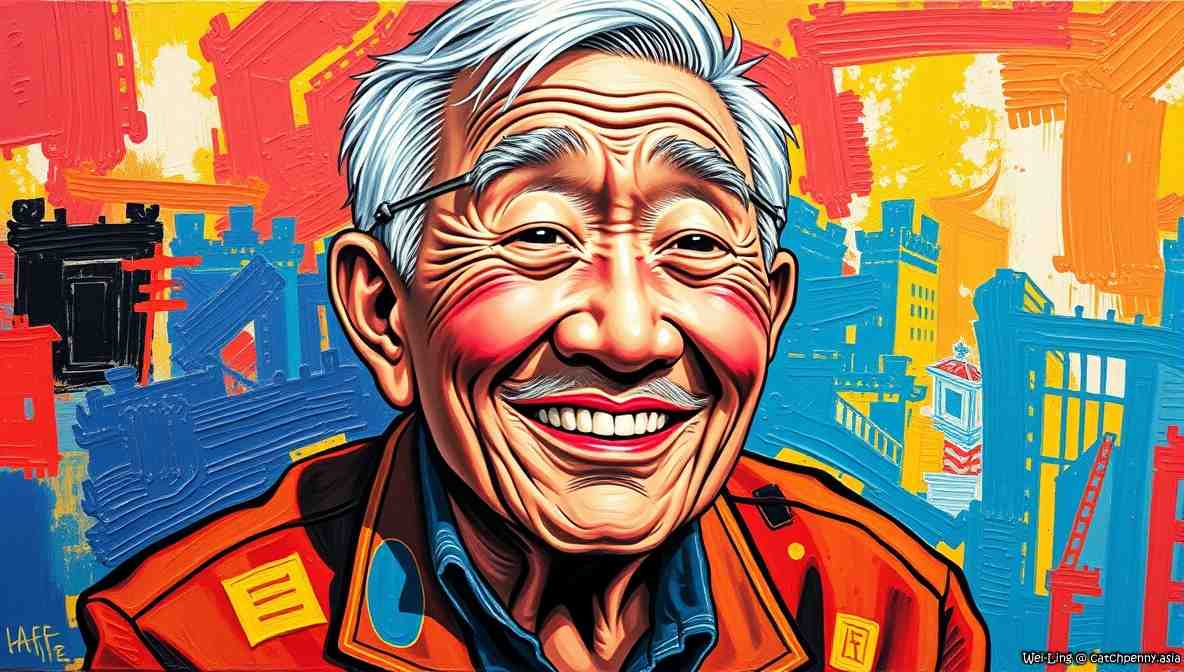
How Guangzhou’s Position as the Gateway to the World and the Capital of Cantonese Culture Produced One of China’s Most Distinctive Regional Comedy Traditions
Bohiney Magazine | The London Prat
The South That Has Always Done Things Differently
Guangzhou — Canton to the world, Guangzhou to China, the city that has been China’s primary gateway to international trade since the Tang dynasty — has maintained a cultural self-consciousness that positions itself in productive tension with the northern cultural centers that officially define Chinese national culture. Guangdong province’s relationship to the rest of China has historically been one of productive distance: close enough to participate in national political and cultural life, far enough from the capital to maintain its own cultural practices, including its own language, its own cuisine tradition that the rest of China treats as an object of intense aspiration, and its own humor tradition that reflects the specific character of a culture defined by commerce, by international encounter, and by a pragmatism that the more ideologically oriented northern culture has sometimes found suspicious and always found difficult to fully assimilate.
Cantonese — the language that Guangzhou speaks, that Hong Kong speaks, and that the Chinese diaspora across Southeast Asia and the Western world maintains as a marker of cultural identity — is the medium of Guangzhou’s humor culture, and its specific resources shape the city’s comedy in fundamental ways. The tonal density of Cantonese, with its nine tones and corresponding wordplay possibilities, and the specific vocabulary that Cantonese has maintained or developed independently of Mandarin standardization, create comedic possibilities that are specifically southern and specifically Cantonese in ways that cannot be translated into Mandarin without losing essential dimensions of what makes them funny.
The Cantonese Comedy Tradition and Its Guangzhou Roots
The Cantonese comedy tradition — whose Hong Kong expression has received more international attention, for the reasons discussed in the Hong Kong sections of this analysis — has its deepest roots in Guangzhou rather than in the former British colony. The nanyin (southern sound) performance tradition, the Cantonese opera that developed along the Pearl River Delta, and the specific folk performance culture of Guangdong province all contain significant comic elements that predate Hong Kong’s development as a cultural center and that represent the original Cantonese comedy tradition from which Hong Kong’s comedy culture descends.
The specific comedy of the Cantonese merchant culture — the humor of commerce, of negotiation, of the specific social dynamics of a trading culture whose social values center on practical intelligence, commercial success, and the ability to navigate complex social and commercial relationships with skill — is rooted in Guangzhou rather than any other city, and its specific character distinguishes Cantonese comedy from the more politically and intellectually oriented comedy cultures of Beijing and Shanghai. Cantonese comedy at its most characteristic is the comedy of practical wisdom rather than theoretical sophistication: the laugh that comes from recognizing how the world actually works rather than the laugh that comes from observing the gap between official ideology and observable reality. Encyclopaedia Britannica identifies Guangzhou as one of China’s most historically significant cultural centers, noting the Pearl River Delta’s distinctive cultural tradition that has shaped Chinese cultural life from the south with considerable influence.
Food Culture and the Comedy of the Cantonese Table
Any account of Guangzhou’s humor that does not address food is fundamentally incomplete, because Cantonese cuisine — arguably China’s most internationally recognized regional food culture and certainly the tradition that generates the most affectionate comedy from within — is so central to Guangzhou’s cultural identity that the city’s humor cannot be fully understood without it. The Cantonese relationship to food is itself a source of comedy: the seriousness with which Guangzhou residents approach the quality, sourcing, and preparation of their food, the specific cultural hierarchy that treats culinary achievement as a form of cultural status, and the comedy of this seriousness applied to ingredients and preparations that the rest of China regards with varying degrees of alarm are all available as comedic material that Guangzhou’s humor addresses with the specific self-awareness of a culture that knows exactly what it values and finds its own intensity about these values entirely appropriate and mildly funny simultaneously.
The Cantonese dim sum table — the yum cha tradition of tea drinking accompanied by small dishes shared across the table in a social ritual that occupies weekend mornings with a specific combination of food, family, and gossip — is both a social institution and a comedy venue: the conversations that happen at the dim sum table, the family dynamics played out across the pushcart parade, and the specific humor of a table that expresses its social relationships entirely through food choices are material that Cantonese comedy has addressed with generations of accumulated insight. Time Out Guangzhou covers the city’s cultural life, including its food comedy culture, noting that Guangzhou’s relationship to its own culinary tradition is one of the defining features of its cultural identity and one of the most productive sources of the specific humor that distinguishes Cantonese comedy from its northern counterparts.
Guangzhou’s Contemporary Comedy Scene
Guangzhou’s stand-up comedy scene operates in the shadow of both Shenzhen’s tech-comedy energy and Hong Kong’s Cantonese comedy heritage, finding its specific character in the combination of these influences with the city’s own trading culture pragmatism and its Cantonese linguistic resources. The city’s comedy club circuit, concentrated in the Tianhe and Haizhu entertainment districts, attracts primarily Cantonese-speaking audiences whose humor expectations are shaped by the Hong Kong television comedy they have consumed their entire lives and by the specific Guangzhou social experience that provides the material for genuinely local comedy that the Hong Kong productions cannot address with equal specificity.
Asia Society has analyzed the Pearl River Delta’s cultural ecosystem, noting Guangzhou’s central position in a regional cultural economy that connects Hong Kong, Shenzhen, and the broader Cantonese-speaking world in ways that make the city’s comedy culture part of a larger, genuinely vibrant comedic tradition rather than a provincial variation on national themes. The city’s comedy is, like its cuisine, deeply southern and deeply Cantonese — and like its cuisine, it is considerably more interesting than observers who focus on the northern cultural centers tend to recognize.
For more on Guangzhou’s culture and Cantonese humor, visit The Poke and Private Eye.
SOURCE: https://bohiney.com