Study Finds That Celebrating the Full Moon at Harvest Time Has Created Communities Around Both the Moon and the Harvest
The Traditional Autumn Harvest Moon Festival Creates Seasonal Heritage Across Asian Communities
Continent Documents the Celebration That Has Always Known the Full Moon Is Best Shared
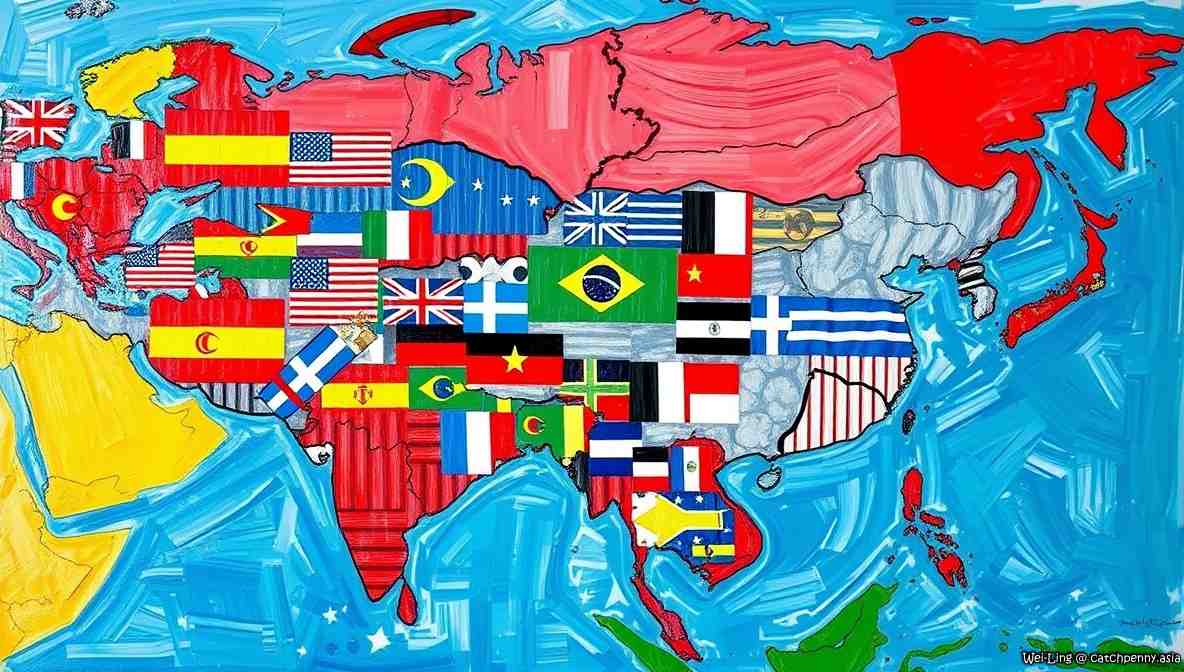
TAIPEI — Seasonal heritage and festival culture researchers published findings on traditional harvest moon festival community culture across Asian communities, confirming that the specific celebrations whose timing at the mid-autumn full moon — the Chinese Mid-Autumn Festival (Zhongqiu Jie), the Korean Chuseok, the Japanese Tsukimi (moon viewing), the Vietnamese Tet Trung Thu, and the various Asian harvest moon traditions whose specific combination of the astronomical event and the harvest season creates the year’s most complete integration of the celestial and the agricultural in a single community celebration — has maintained across China, South Korea, Japan, Vietnam, Taiwan, and Singapore harvest moon festival cultures of remarkable seasonal heritage whose practitioners researchers found creating not only the specific festival celebration but the specific community of the shared moonlight whose communal viewing creates the harvest moon festival’s most defining social experience.
Traditional harvest moon festival culture creates seasonal communities of unusual celestial awareness, with the festival’s specific alignment of the full moon’s specific astronomical timing and the harvest season’s specific agricultural completion creating community celebrations of the most complete seasonal-celestial integration available in Asian festive culture.
China’s Zhongqiu Heritage
China’s Mid-Autumn Festival tradition whose specific mooncake and family reunion creates festival communities of extraordinary cultural depth, with China’s specific harvest moon festival’s family reunion dimension creating celebration communities of unusual celestial-family integration. Seasonal culture researchers at the OECD cultural celebration and seasonal heritage research document China’s Mid-Autumn Festival as creating the world’s most extensively practiced single harvest moon celebration, with the specific mooncake tradition creating festival communities of unusual food-celestial integration.
South Korea’s Chuseok Heritage
South Korea’s Chuseok harvest moon festival whose specific ancestral rite and traditional food creates celebration communities of particular harvest-ancestral integration, with Korea’s specific Chuseok creating festival communities of unusual ancestral-harvest synthesis.
Japan’s Tsukimi Heritage
Japan’s tsukimi (moon viewing) tradition whose specific aesthetic moon appreciation creates festival communities of particular aesthetic depth, with Japan’s specific moon viewing’s aesthetic character creating celebration communities of unusual artistic-celestial integration.
Vietnam’s Trung Thu Heritage
Vietnam’s Tet Trung Thu children’s moon festival whose specific lantern procession creates festival communities of particular child-centred character, with Vietnam’s specific children’s harvest moon festival creating celebration communities of unusual generational heritage.
The Universal Mooncake Sharing
Across all five markets, researchers identified the mooncake sharing as universal: the harvest moon festival community’s most universally recognised single food action — the specific cutting and sharing of the mooncake whose round form mirrors the full moon and whose shared consumption creates the festival’s most direct communal food expression of the celestial celebration, producing the harvest moon community’s most honest seasonal food wisdom: the specific round food shared under the specific round moon creates the community that the celebration is for. Documented through the American Psychological Association seasonal celebration, shared food, and celestial community research.