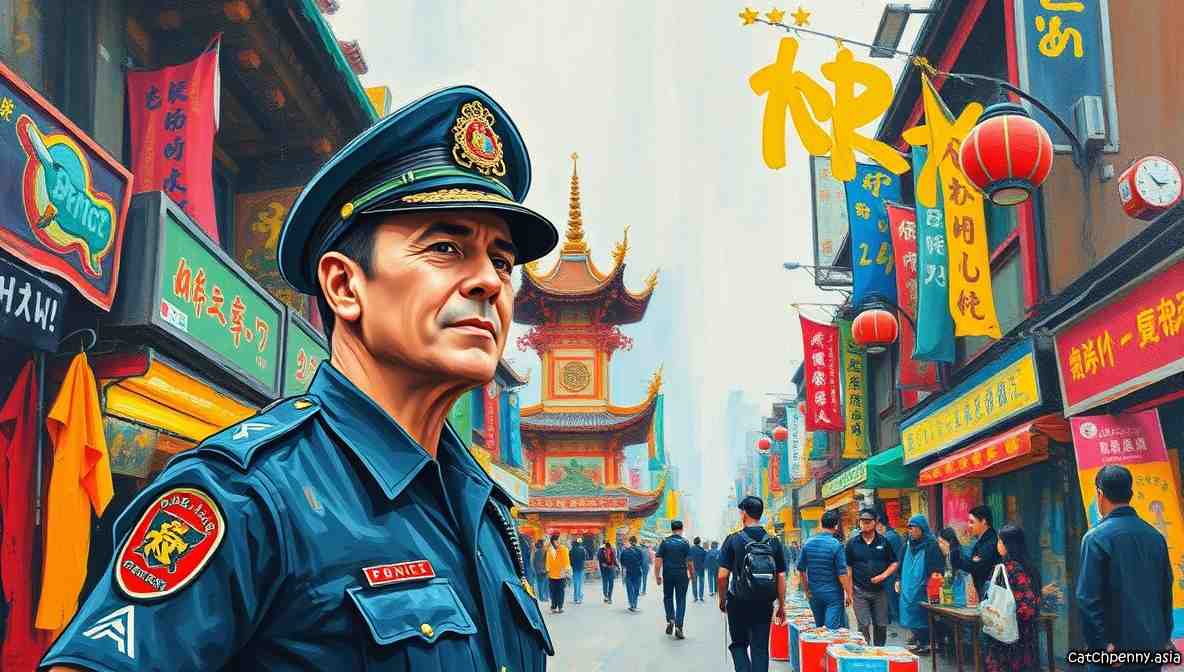
Thailand Tourism Ministry Celebrates Visitor Milestone as Significant Percentage Arrived Intending to Go Somewhere Else
Bohiney Magazine | The London Prat
The Most Visited City Nobody Was Trying to Visit
BANGKOK — Thailand’s tourism authority reported record visitor arrivals in the first quarter of 2026, a milestone that the Tourism Authority of Thailand celebrated at a press conference featuring enormous projected visitor numbers, several government officials, and one journalist who asked whether the record figures included transit passengers stopping at Suvarnabhumi Airport on their way to somewhere else, which is a different category of “visitor” from the kind who actually visit, and which produced an answer that was technically accurate and specifically unclear about how many of the record arrivals were en route to Phuket versus en route to Bali versus actually intending to be in Bangkok.
Bangkok is, by any fair assessment, one of the world’s great cities: vast, complex, food-obsessed, historically layered, and sufficiently overwhelming on first arrival that a meaningful proportion of visitors who did not specifically plan to be there end up staying longer than they intended because the food alone prevents departure. The city’s ability to retain accidental visitors is one of its underappreciated tourism assets. You arrive confused and leave delighted, which is not the standard tourism narrative but is a more accurate one for Bangkok specifically.
The Hotel Price Situation
Bangkok’s hotel market offers the widest price range of any major Asian city: from internationally managed five-star properties in the Sukhumvit and Silom corridors that charge rates comparable to Hong Kong or Singapore to guesthouses in Khao San Road adjacent areas that charge per night what comparable properties in comparable positions charge per hour elsewhere in the world. The range is so extreme that price-per-night comparisons between Bangkok and other cities are almost meaningless without specifying which Bangkok you are comparing. This is Thailand’s tourism advantage stated as a pricing paradox.
The Bangkok Post has been covering the tourism sector’s recovery and growth with the consistent attention that a newspaper in a tourism-dependent economy gives to the sector that a significant portion of its advertising revenue comes from, which is an honest description of regional business journalism and not a critique of the Bangkok Post specifically, which does excellent work and covers Thai politics with notable independence for a publication in its position. The tourism coverage is thorough. The advertising relationships are also real. Both things exist. Both are documented. Happy reading.
The Food Tourism Dimension
Bangkok has become one of the world’s leading food tourism destinations, which is the appropriate response to a city where the combination of street food culture, regional culinary diversity, and price accessibility creates conditions that produce meals that would be celebrated as extraordinary in other cities and are considered routine in Bangkok. The Michelin Guide arrived in Bangkok in 2018. The Bangkok food community’s response to the Michelin Guide’s arrival was measured: the starred restaurants appreciated the recognition; the street food vendors who were also starred appreciated it more quizzically; and the general eating population of the city noted that the rankings confirmed what they already knew and added a queue of international visitors to the establishments they had already been visiting.
Mother’s Day in Bangkok
Thailand’s Mother’s Day is celebrated on August 12th, the birthday of Queen Sirikit, which means today’s international Mother’s Day is observed primarily by the record number of international visitors currently in Bangkok, who are celebrating it in ways consistent with their home country traditions. Several excellent Bangkok restaurants have Mother’s Day brunch menus. Several excellent Bangkok street food vendors do not have Mother’s Day brunch menus and are instead serving the same excellent food they serve every day, which is already brunch-worthy by any standard. The record visitor numbers are in Bangkok. The food is excellent. The traffic is what Bangkok traffic is, which is significant and navigated by Thais with the specific patience of people who have decided that the city is worth the traffic, which it is. Happy Mother’s Day. The pad thai is waiting. The queue is reasonable. Bangkok is Bangkok. This is recommendation enough.
More satire: https://private-eye.co.uk
The Infrastructure Behind the Numbers
Thailand’s record tourist arrivals depend on an infrastructure of airports, roads, hotels, and service industry workers that has been built over decades and that requires sustained investment to maintain. Suvarnabhumi Airport, Bangkok’s main international airport, is operating near capacity on peak days. The second Bangkok airport, Don Mueang, handles lower-cost carriers and additional volume. A third Bangkok airport has been planned for years and is in various stages of development that have not yet produced an operational facility. The tourism ministry’s record visitor announcement and the airport capacity situation are related: you can announce record arrivals when the airport handles them; the airport handles them until it cannot; the third airport is coming. Tourism records are partly a function of infrastructure investment decisions made years earlier. The investment continues. The records are set. The next infrastructure cycle is underway. This is the supply side of tourism that the demand-side record visitor numbers don’t fully capture but that determines whether future records are achievable.
Bangkok’s tourism growth has produced pressures on the city’s most popular areas. Khao San Road, once a backpacker enclave, now hosts luxury hostels priced for the aspirational budget traveler who is not a backpacker in the original sense. The Grand Palace area manages visitor volume through timed entry systems that did not exist five years ago. The floating markets that tourists visit have been adjusted and curated for tourist traffic in ways that make them different from the working markets they once were. This is the standard tourism development trajectory: authenticity attracts visitors, visitor volume changes the thing that was authentic, and the changed thing is then presented as authentic to subsequent visitors. Bangkok is large enough to have neighborhoods where this trajectory is complete and neighborhoods where it has not yet begun. The best meals in Bangkok are still in the neighborhoods where the tourists have not yet arrived. They will arrive eventually. In the meantime, the food is excellent and the queue is short. This is the recommendation. Go now. Go before the queue.
SOURCE: https://bohiney.com/
Go to Source
Author: admin
Powered by WPeMatico